

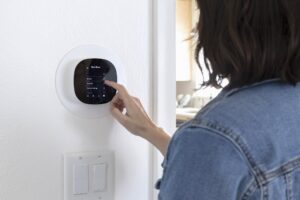
 The rental property market is steadily evolving as resident preferences shift. With homeownership increasingly difficult for millennials, Gen Z, and seniors, long-term rentals are becoming more attractive. In turn, renters now expect advanced amenities, with smart home technology playing a major role.
Many renters seek rentals with smart features such as reliable internet connectivity, programmable climate systems, and enhanced security options. For landlords, the value of these upgrades is influenced by location, tenant expectations, market competition, and anticipated returns.
What Are Smart Home Devices for Rentals?
Smart home devices are internet-connected technologies that automate and control property functions. For rental properties, the most widely used devices include:
- Smart thermostats (Nest, Ecobee)
- Smart locks and keyless entry systems
- Video doorbells and security cameras
- Smart lighting systems
- Water leak detectors
- Smart smoke and carbon monoxide detectors
- Smart plugs and outlets
These technologies connect to Wi-Fi networks and can be controlled remotely via smartphone apps, offering convenience for both landlords and tenants.
The Benefits of Smart Devices in Rental Properties
Increased Property Efficiency and Cost Savings
Smart devices support enhanced property efficiency and help reduce management expenses, attracting renters seeking convenience and modern features.
Smart thermostats manage heating and cooling costs by learning tenant habits, responding to vacancy periods, and preventing HVAC misuse. This saves money and minimizes unnecessary wear.
Smart water leak detectors quickly notify you of leaks to help avoid costly repairs. Smart lighting helps reduce electricity use by automatically powering down lights when homes are unoccupied.
PRO TIP: Use smart thermostats with temperature-range restrictions to prevent extreme temperature selections that can damage HVAC systems or cause excessive utility charges. Limits such as e.g., 65-78°F maintain comfort while protecting your equipment.
Enhanced Security and Tenant Safety
Security is a top priority for renters, and smart security tools offer reassurance to residents and better oversight for landlords.
Video doorbells and security cameras deter theft and vandalism and provide evidence if needed. Alerts notify both landlords and residents to unauthorized entry attempts, especially helpful for properties with residents who travel.
Streamlined Property Management
Smart locks make access management more efficient for rental properties. Instead of changing physical locks between tenants—which can cost $75-150 per turnover—landlords can remotely update access codes. This reduces emergency locksmith calls, enables secure access for maintenance and contractors, and records entry activity.
For landlords with several properties, smart locks support self-showings and improve security with less administrative effort.
Higher Rental Income Potential
In competitive markets, especially near universities, tech hubs, or urban centers, smart home features can support monthly rents 5-15% higher. Rentals occupied by young professionals, students, or remote workers often see increased demand.
Smart home features have become standard amenities. Properties lacking them may find it harder to attract tenants willing to pay higher rents.
The Drawbacks of Smart Home Technology in Rentals
Upfront Investment Costs
The primary hurdle when adopting smart home technology is the initial cost. While individual devices can be inexpensive, full smart home systems can be significant investments:
- Smart thermostat: $120-250 per unit
- Smart lock: $150-300 per door
- Video doorbell: $100-250
- Security camera: $200-600
- Smoke/CO detectors: $80-120 each
- Professional installation: $200-500 per property
A full smart home package for a single-family rental can range between $1,000 and $3,000. Systems are most effective when implemented as a complete package, so partial upgrades may deliver limited benefits. Not every market can justify these costs with rent increases, so market analysis is critical.
Internet Connectivity Requirements
Smart devices require strong Wi-Fi; poor connections may reduce functionality.
Landlords must decide who provides and manages the internet service. Tenant-supplied internet requires their cooperation for setup and may result in lost access if service is disconnected. Providing the connection yourself adds to monthly expenses and management duties.
Maintaining access includes firmware updates, password management, and troubleshooting, which adds to property management responsibilities.
Tenant Privacy Concerns
Many renters welcome smart technology, but privacy concerns cannot be ignored. Hacked cameras, data breaches, and unauthorized surveillance have caused residents to be cautious about connected devices.
Interior cameras are especially sensitive, as many jurisdictions prohibit landlords from installing them indoors. Even exterior cameras and smart locks that log entry times may concern privacy-conscious renters.
Transparency is crucial: communicate clearly which devices are installed, what data is collected, who can access it, and how it will be used. Providing tenants with some control over smart features helps reduce privacy concerns.
Maintenance and Technical Support
Smart devices create additional maintenance responsibilities. Unlike conventional devices, they require:
- Firmware and software updates
- Battery replacements
- Connectivity monitoring
- Device and technology replacement
- Tenant education on proper use
Lacking technical knowledge may require hiring professional support, which increases operational costs.
Which Smart Devices Are Worth the Investment?
Not every smart device is equally valuable to tenants. Prioritizing upgrades based on cost-benefit analysis and renter demand helps ensure maximum impact:
Highest ROI:
- Smart locks – Avoid rekeying costs, allow remote access
- Smart thermostats – Reduce utility bills and prevent HVAC misuse
- Video doorbells – Enhance security and discourage theft
Moderate ROI:
- Water leak detectors – Minimize catastrophic damage
- Smart smoke/CO detectors – Improve safety and enable remote monitoring
Lower ROI:
- Smart lighting – Provides convenience with small energy savings
- Smart plugs – Minimal cost, limited impact
How to Calculate ROI on Smart Home Upgrades
- Total Investment Cost: Add device cost, installation, and ongoing maintenance
- Monthly Rent Increase: Evaluate similar properties for realistic increases
- Annual Additional Income: Monthly increase × 12
- Cost Savings: Factor in utility savings, maintenance reduction, and turnover costs
- Payback Period: Total investment ÷ (annual additional income + savings)
A payback period of 2-4 years is ideal. Longer than five years may only make sense if holding the property long-term.
PRO TIP: Test devices on a single property first. Monitor rent adjustments, tenant satisfaction, maintenance, and operational benefits for 6-12 months to guide future rollout.
Final Verdict: Should You Upgrade Your Rental Property?
Evaluating whether to upgrade rental properties with smart devices requires careful consideration. Smart technology provides benefits such as operational efficiency, security enhancements, simplified management, and potential rent increases, but it also brings costs and challenges.
Smart devices make the most sense for:
- Rentals in competitive urban or suburban locations
- Properties marketed to young professionals, students, or remote workers
- Landlords with multiple properties benefiting from remote monitoring
- Units where utility costs are high and smart thermostats offer savings
- Areas with reliable internet access
Smart devices may not be worthwhile for:
- Affordable rentals where tenants prioritize cost
- Units with limited or unreliable internet
- Markets where similar properties do not include smart features
- Landlords without technical expertise or support options
- Properties catering to older tenants less interested in technology
Make data-driven decisions based on your market, property features, and tenant profile. Begin with a pilot test, track performance, and expand based on proven ROI.
Get Expert Guidance for Your Rental Property Investments
As a real estate investor in Largo, the right decisions about smart home upgrades can protect and grow your investment. Real Property Management TradeWinds supplies local market data and tailored advice to show which device upgrades make financial sense for your properties.
Contact us online or call us at 727-400-4722 today to explore which upgrades make financial sense for your rental properties.
Originally Published on February 8, 2019
We are pledged to the letter and spirit of U.S. policy for the achievement of equal housing opportunity throughout the Nation. See Equal Housing Opportunity Statement for more information.
